A plot for a house at auction: buy, lease or take a seized one
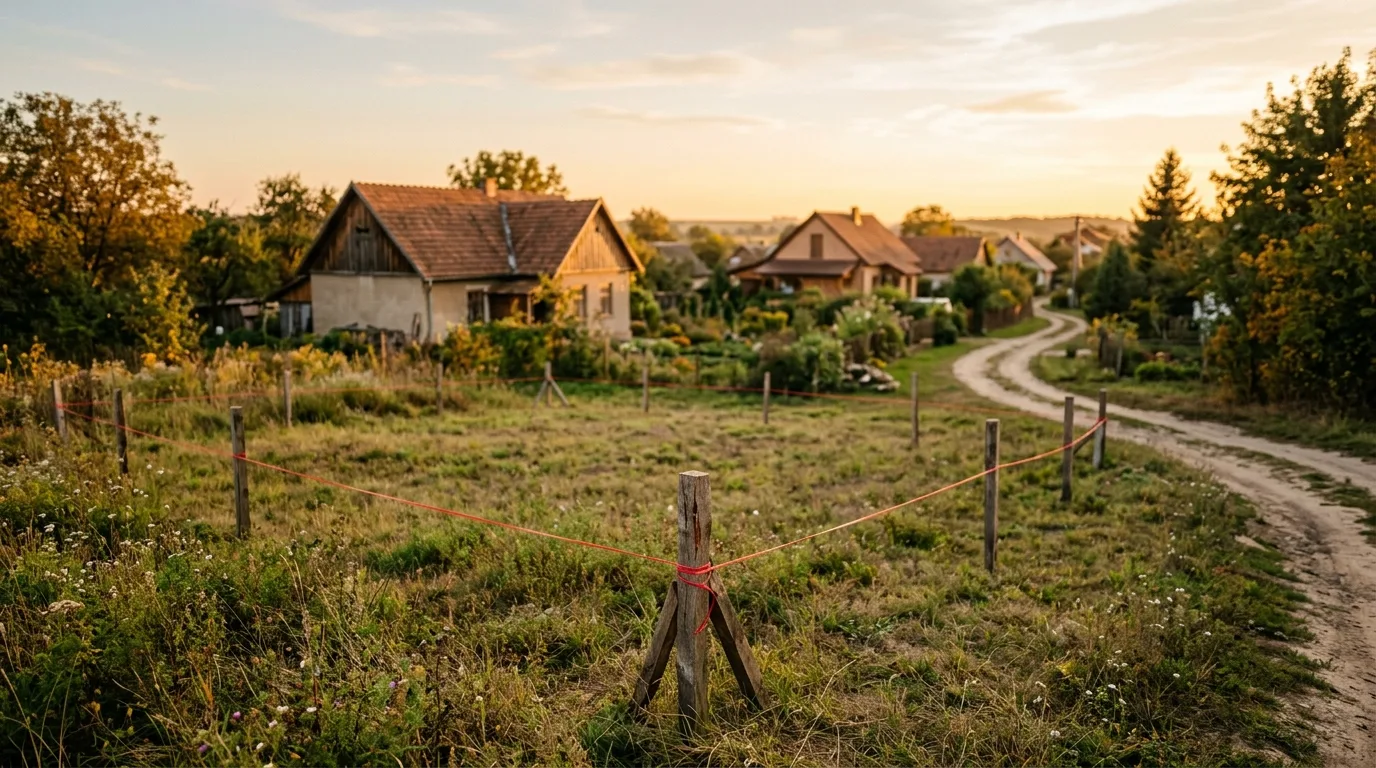
Vacant communal land for construction is obtained through an auction today: the community puts the plot up at a land auction on Prozorro.Sale, and it goes to whoever offers the most. There are three routes — buy, lease, or purchase a debtor’s plot. Here is how they compare.
Option 1. Buy a plot from the community
The council sells a non-agricultural plot into ownership — these lots are in the “Land sale” group. The starting price is the price of the whole plot, and bidding goes up. After winning, a sale contract is signed and you become the owner. This is the simplest and safest option, but also the most expensive: good plots in and near cities attract many bidders. General rules are in the article on buying land.
Option 2. Lease
The auction sells the right to lease a plot for construction, usually for 5–10 years or more. Bidding is on the annual rent — that is the figure on the lot page, so the entry cost is much lower than a purchase. You can build and register a house on a leased plot if the designated purpose and the contract allow it. The downsides: rent is due every year, it can be revised, and the contract can end. Discuss what happens to the land under a completed house with a lawyer before the auction. How these auctions run is covered in the land lease guide.
Option 3. A seized plot
Private plots of debtors are sold by state and private enforcement officers — the “Seized land” group. These lots are the most numerous, and the price goes down at repeat auctions. But the risks are higher too: sometimes only a share of the plot is sold; someone else’s house may stand on the land; the former owner may challenge the auction. Details are in the article on seized property.
What to check in any case
- Designated purpose. A private house needs a plot “for construction and maintenance of a residential house, outbuildings and structures” (household plot, code 02.01). Plots “for an apartment building” (02.03) are lots for developers.
- Location and boundaries. Find the plot on the Public Cadastral Map by its cadastral number, then visit it: terrain, access, neighbours, whether there are someone else’s buildings or plantings on it.
- Restrictions. Protection zones of power lines, gas pipelines, water bodies and roads can prohibit construction on part of the plot. They are shown in the cadastre and in the lot documents.
- Planning documents. The master plan and zoning determine what can be built and how high. Ask the council before the auction.
- Utilities. Electricity, water, gas, sewerage: where the nearest networks are and what connection costs.
- Total cost. Add reimbursement of lot preparation costs, the marketplace fee, notary and registration costs — the amounts and procedure are in the announcement.
How to take part
- Register on one of the accredited Prozorro.Sale e-marketplaces.
- Pay the registration fee and the guarantee deposit and apply before the application deadline shown on the lot page.
- On auction day, raise the price online. Decide in advance the limit you will not go above.
- After winning — the protocol, payment and the contract within the deadlines in the announcement. If the winner backs out, the guarantee deposit is not returned.
Plots for housing on sale
Lease rights for housing plots
Seized plots for a residential house
Plots in your town or village appear rarely and are easy to miss. Save a filter with your region and the name of the locality — the radar will message you in Telegram as soon as a new lot appears.
This is an overview for orientation, not legal advice. The binding terms of each auction are in its announcement and documents on prozorro.sale.
New articles by email
Guides to Prozorro.Sale auctions: land, privatisation, bank and bankruptcy assets. Only new articles, no ads.
We will send a confirmation email. You can unsubscribe in every email. How we store your address — see the privacy policy.